
Effective Over-the-Counter Allergy Treatments That Work: Best Options for Allergy Relief Without Prescription
Allergies can make everyday life harder—disrupting sleep, work, and time outside. The good news: many people find reliable relief with over-the-counter (OTC) options. Below we walk through the most effective OTC allergy medicines, how they work, and how to pick the right choice for both kids and adults. We also cover safety, common side effects, and natural remedies you can use alongside conventional treatments. With a clear understanding of your options, you can manage symptoms confidently and get back to your routine.
What Are the Most Effective OTC Allergy Medications Available?
OTC allergy products target symptoms of allergic rhinitis—sneezing, runny nose, itchy eyes, and congestion. The most helpful categories are antihistamines, nasal sprays, and eye drops. These treatments reduce symptoms mainly by blocking histamine or calming local inflammation, which helps you feel better faster.
Which Non-Drowsy Allergy Medications Provide Reliable Relief?
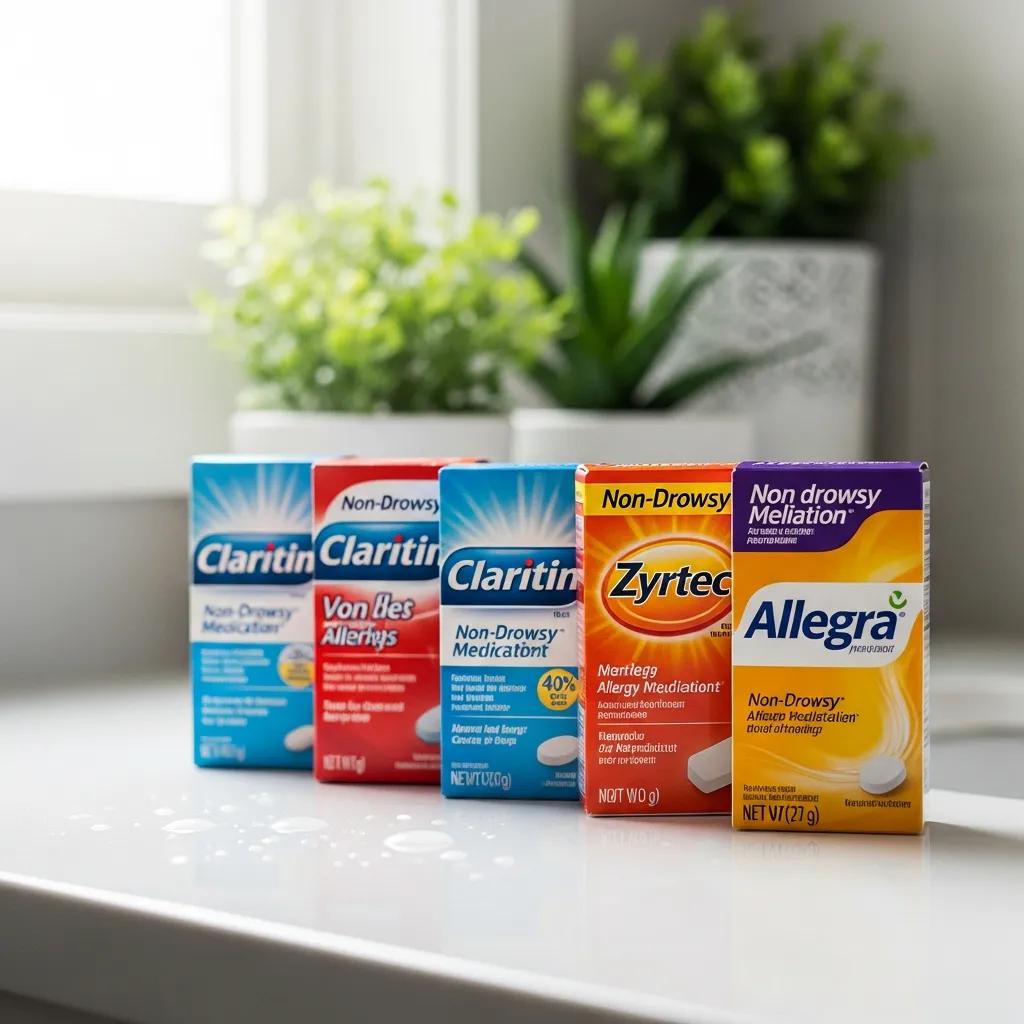
When you need to stay alert—at work, driving, or caring for others—non-drowsy antihistamines are a go-to. Common, well-tolerated choices include:
- Loratadine: Effective for sneezing and runny nose with minimal sedation.
- Cetirizine: Fast-acting and generally well-tolerated; a small number of people experience mild drowsiness.
- Fexofenadine: Known for quick relief without causing sleepiness in most users.
These second-generation H1 blockers help control symptoms while letting you keep your day on track.
Research supports the broad use and good safety profiles of these H1-receptor antagonists across common allergic conditions.
Common OTC Antihistamines for Allergy Relief
H1-receptor antagonists—cetirizine, loratadine, and fexofenadine—are widely used to treat allergic rhinitis, conjunctivitis, hay fever, and hives. They are generally well-tolerated, have substantial trial data, and are cost-effective.
Repurposing of H1-receptor antagonists (levo)cetirizine, (des)loratadine, and fexofenadine: a case study for systematic analysis of trials on clinicaltrials.gov, 2024
How Do OTC Antihistamines Like Loratadine and Cetirizine Work?
Antihistamines such as loratadine and cetirizine block H1 receptors, preventing histamine from triggering the symptoms you feel—itching, sneezing, and runny nose. By interrupting that signal, they reduce inflammation and provide symptom relief. Both drugs come in tablets and liquid forms, making them easy to use for different ages and preferences.
Second-generation antihistamines marked an important improvement: they control allergic rhinitis and chronic hives while producing fewer side effects compared with first-generation options.
Second-Generation Antihistamines: Efficacy & Safety
Second-generation H1 antagonists were developed to treat allergic rhinitis (AR) and chronic idiopathic urticaria (CIU) while limiting side effects common to older agents. When comparing newer agents—desloratadine, fexofenadine, and levocetirizine—it’s important to look at pharmacology and clinical outcomes to decide which best suits a patient’s needs.
Clinical pharmacokinetics and pharmacodynamics of desloratadine, fexofenadine and levocetirizine: a comparative review, C Faisy, 2008
How to Choose the Right Over-the-Counter Allergy Treatment for Children and Adults?
Picking an OTC allergy medicine depends on age, how severe symptoms are, and daily needs. Think about whether you need fast relief, once-daily dosing, or a formulation suited for a child. Choosing the right product helps control symptoms with the least inconvenience.
What Age-Appropriate Dosage and Forms Are Recommended?
Always follow label directions and, when in doubt, check with a healthcare provider. Typical guidance includes:
- Children (ages 2–6): Use age-appropriate, lower-dose preparations—liquid forms are often easier to give and dose accurately.
- Adults: Standard doses vary by medication, but most second-generation antihistamines are safe for everyday use at recommended amounts.
When uncertainty arises, consult the product label or a clinician to confirm the right dose.
When Should You Consider Prescription Options or See a Doctor?
OTC medicines help many people, but you should see a clinician if:
- Symptoms don’t improve with OTC treatment.
- You experience severe reactions—trouble breathing, swelling, or hives.
- You’re worried about interactions with other medicines or underlying health issues.
A healthcare professional can recommend prescription alternatives or additional testing when needed.
What Are the Safety Considerations and Possible Side Effects of OTC Allergy Medications?
OTC allergy drugs are generally safe, but they can cause side effects in some people. Knowing what to expect helps you weigh benefits and risks and recognize when to stop a drug or seek advice.
Which Side Effects Are Common with Nasal Sprays and Eye Drops?
Topical treatments work locally but can cause mild reactions:
- Nasal Sprays: May cause nasal irritation, dryness, or occasional nosebleeds.
- Eye Drops: Can produce temporary stinging, redness, or blurred vision.
These effects are usually short-lived; if they persist, check with a clinician.
Are OTC Allergy Medicines Safe for Children and Sensitive Populations?
Used as directed, many OTC allergy medicines are safe for children and people with sensitivities. The key is selecting the right formulation and dose. Parents should consult a pediatrician before giving medication to young children or to anyone with chronic health conditions.
What Natural and Alternative Over-the-Counter Remedies Can Help Manage Allergy Symptoms?
Alongside conventional medicines, several OTC natural options may ease symptoms and reduce reliance on drugs. These can be useful complements, especially for people seeking a gentler approach.
Which Natural Allergy Remedies OTC Are Supported by Evidence?

Some natural remedies with supportive evidence include:
- Butterbur: May reduce nasal congestion and sneezing in some people.
- Quercetin: An antioxidant thought to stabilize mast cells and limit histamine release.
- Saline Nasal Irrigation: A simple, drug-free way to rinse allergens from the nose and ease symptoms.
These options can help as part of a broader management plan. Discuss their use with your clinician, especially if you’re taking other medications.
How Do Natural Options Compare to Conventional OTC Medications?
Natural remedies can complement conventional treatments but usually don’t offer the same speed or consistency of relief as antihistamines or steroid sprays. They can, however, support long-term symptom control and reduce reliance on pharmaceuticals when used sensibly.
For more practical guidance on managing allergies, AllergyAdmi has detailed resources and updates.
This table summarizes common side effects and safety considerations for OTC allergy treatments to help you choose the right option for you or your family.