Discover the Best Allergy Medicines for Seasonal Allergies and Effective Hay Fever Relief
Seasonal allergies, commonly known as hay fever, affect millions of people each year, causing discomfort and impacting daily life. Understanding the best allergy medicines available can significantly improve quality of life for those suffering from these conditions. This article will explore effective over-the-counter allergy medications, their mechanisms, and how they can provide relief from symptoms. Additionally, we will discuss safe options for children, the role of immunotherapy, and when to seek professional help for allergy management. By the end, readers will have a comprehensive understanding of allergy treatments and how to navigate their options effectively.
What Are the Most Effective Over-the-Counter Allergy Medicines for Seasonal Allergies?
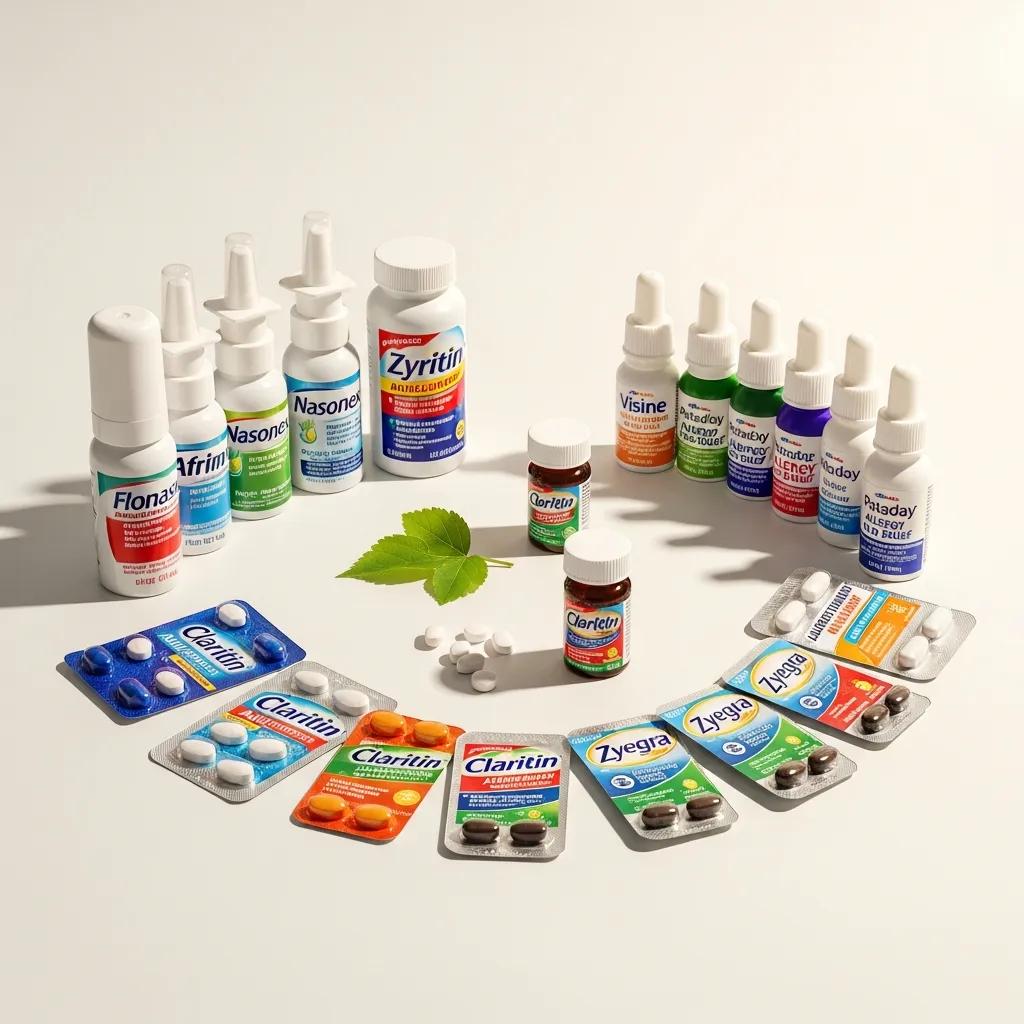
Over-the-counter allergy medicines are essential for managing seasonal allergies and hay fever symptoms. These medications primarily include antihistamines, nasal sprays, and eye drops, each serving a unique purpose in alleviating discomfort. Antihistamines work by blocking histamine receptors, which helps reduce symptoms like sneezing, itching, and runny nose. Nasal sprays provide targeted relief by delivering medication directly to the nasal passages, while eye drops can soothe itchy and watery eyes.
Indeed, studies confirm the widespread use and effectiveness of these common over-the-counter options for managing various allergy symptoms.
OTC Allergy Relief: Antihistamines & Decongestants
allergies were oral antihistamines and oral decongestants, which were used by 88% and 10% of patients with nasal and ocular allergies
Management of allergic rhinitis in the era of effective over-the-counter treatments, BP Yawn, 2017
| Allergy Medicine | Type | Common Use |
|---|---|---|
| Diphenhydramine | Antihistamine | Effective for severe symptoms but may cause drowsiness |
| Loratadine | Antihistamine | Non-sedating option for daily use |
| Cetirizine | Antihistamine | Effective but may cause mild drowsiness |
| Fexofenadine | Antihistamine | Non-sedating and long-lasting |
| Fluticasone | Nasal Spray | Reduces inflammation in nasal passages |
| Ketotifen | Eye Drop | Alleviates itchy and watery eyes |
This table highlights some of the most effective over-the-counter allergy medicines available. Each option has its unique benefits and potential side effects, making it essential to choose the right one based on individual needs.
How Do Antihistamines Help Relieve Hay Fever Symptoms?

Antihistamines are a cornerstone in the treatment of hay fever symptoms. They work by blocking the action of histamine, a chemical released during allergic reactions that causes symptoms such as sneezing, itching, and nasal congestion. Common antihistamines include diphenhydramine, known for its sedative effects, and loratadine, which is a non-sedating option. Cetirizine and fexofenadine are also popular choices, with the former potentially causing mild drowsiness while the latter remains non-sedating. By effectively reducing these symptoms, antihistamines provide significant relief for those suffering from seasonal allergies.
What Are the Benefits and Side Effects of Nasal Sprays and Eye Drops?
Nasal sprays and eye drops offer targeted relief for specific allergy symptoms. Nasal sprays, such as fluticasone, work by reducing inflammation in the nasal passages, providing quick relief from congestion and irritation. Eye drops, like ketotifen, are designed to alleviate itchy and watery eyes, a common complaint among allergy sufferers. While these medications are effective, they can also have side effects, including nasal irritation from sprays and temporary stinging from eye drops. Understanding these benefits and potential side effects can help individuals make informed choices about their allergy management.
Which Allergy Medicines Are Safe and Recommended for Children?
When it comes to treating allergies in children, safety is paramount. Many over-the-counter allergy medications are suitable for children, but it is crucial to follow dosage guidelines and consult with a healthcare provider. Antihistamines like loratadine and cetirizine are often recommended due to their safety profiles and effectiveness in managing allergy symptoms.
For pediatric allergic rhinitis, antihistamines and intranasal corticosteroids are considered foundational treatments.
Pediatric Allergic Rhinitis: Antihistamines & Corticosteroids
Oral or topical antihistamines and intranasal corticosteroids are the mainstay of pharmacologic therapy for allergic rhinitis, depending upon its severity, and several agents
Allergic rhinitis in children: diagnosis and management strategies, 2004
What Are the Best Allergy Medication Options for Kids?
For children suffering from seasonal allergies, the best medication options include:
- Loratadine: A non-sedating antihistamine suitable for daily use.
- Cetirizine: Effective for allergy relief, though it may cause mild drowsiness in some children.
- Fluticasone Nasal Spray: Safe for children and effective in reducing nasal inflammation.
Specifically, fluticasone furoate nasal spray has been rigorously studied and found to be safe and well-tolerated in pediatric populations.
Fluticasone Furoate Nasal Spray: Safe for Pediatric Allergic Rhinitis
Fluticasone furoate is a novel enhanced-affinity corticosteroid that has demonstrated favourable safety and tolerability in paediatric patients. Three pivotal phase III studies were conducted in children as young as 2 years of age; however, because the European Medicines Agency has recently approved fluticasone furoate for use in children aged ≥6 years, a subanalysis has been conducted to support safety and tolerability in the 6- to 11-year age group.
Safety and tolerability of fluticasone furoate nasal spray once daily in paediatric patients aged 6–11 years with allergic rhinitis: subanalysis of three randomized …, 2009
These medications provide effective relief while minimizing the risk of side effects, making them ideal choices for young allergy sufferers.
How to Manage Side Effects of Allergy Medicines in Children?
Managing side effects in children taking allergy medications involves monitoring their reactions and adjusting dosages as necessary. Common side effects may include drowsiness or mild stomach upset. Parents should ensure that children stay hydrated and maintain a balanced diet to help mitigate these effects. If side effects persist or worsen, consulting a healthcare provider is essential to explore alternative treatment options.
How Does Immunotherapy Provide Long-Term Relief for Seasonal Allergies?

Immunotherapy is a long-term treatment option for individuals with severe allergies. It involves gradually exposing the patient to allergens, helping the immune system build tolerance over time. This approach can lead to significant symptom relief and reduce the need for medications.
What Is Allergy Immunotherapy and How Does It Work?
Allergy immunotherapy works by introducing small amounts of allergens to the immune system, which helps it adapt and respond more effectively. The treatment typically involves a series of injections or sublingual tablets taken over several months. As the body becomes accustomed to the allergens, the severity of allergic reactions diminishes, providing long-lasting relief.
Who Should Consider Immunotherapy for Hay Fever Relief?
Immunotherapy is recommended for individuals with persistent and severe allergies that do not respond well to conventional treatments. It is particularly beneficial for those who experience significant impairment in daily activities due to their symptoms. Consulting with an allergist can help determine if immunotherapy is a suitable option based on individual health profiles and allergy severity.
When Should You See a Doctor and How to Schedule Allergy Treatment Appointments?
Recognizing when to seek professional help for allergies is crucial for effective management. Persistent symptoms that do not improve with over-the-counter medications may indicate the need for professional evaluation and treatment.
What Are the Signs That Require Professional Allergy Testing?
Signs that may require professional allergy testing include:
- Chronic Symptoms: Persistent sneezing, nasal congestion, or itchy eyes that last for weeks.
- Severe Reactions: Experiencing anaphylaxis or other severe allergic reactions.
- Impact on Daily Life: Symptoms that significantly interfere with work, school, or daily activities.
If any of these signs are present, it is essential to consult a healthcare provider for further evaluation.
How to Book an Appointment for Personalized Allergy Treatment Plans?
Booking an appointment for allergy treatment is straightforward. Individuals can contact Allergy Associates of Dearborn at 313-274-3311 to schedule a consultation. During the appointment, a healthcare provider will assess symptoms, conduct necessary tests, and develop a personalized treatment plan tailored to the individual’s needs. The practice is located at 751 S Military Rd, Dearborn, MI 48124, making it accessible for those in the metropolitan Detroit area.