

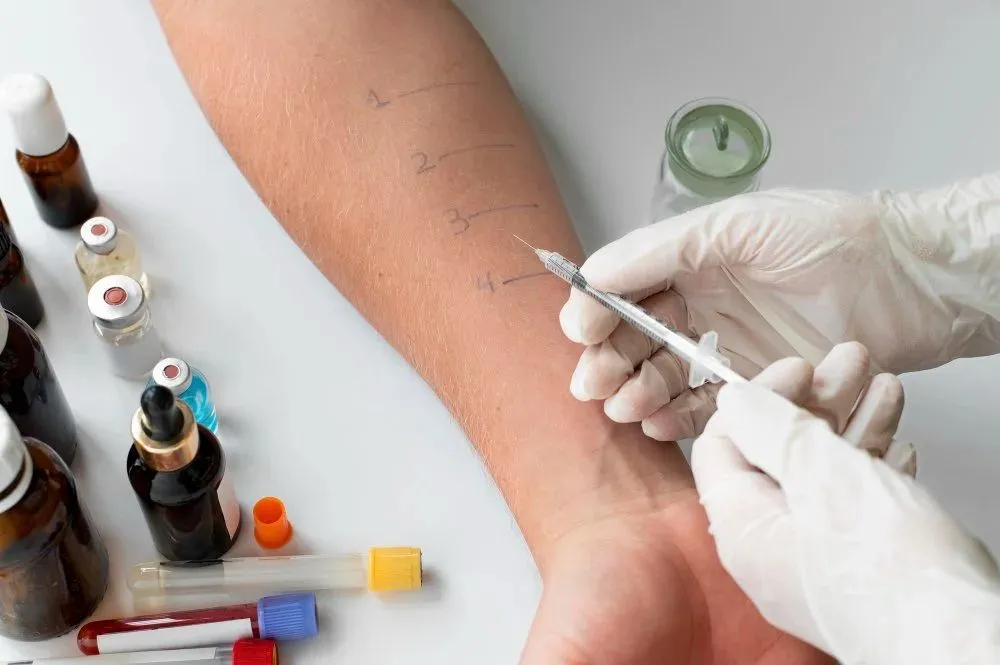
Are Allergy Skin Prick Tests Worth the Investment?
By Allergy Associates of Dearborn, Allergy Associates of Dearborn
Allergy skin prick tests are a standard diagnostic method for identifying specific triggers of allergic reactions. They support accurate diagnosis and inform effective treatment plans. Allergies commonly cause persistent discomfort and reduced quality of life. Understanding the benefits and limitations of skin prick testing helps patients make informed choices about care. This article reviews costs, accuracy, benefits, preparation, and post-test treatment options, and it highlights the specialized, patient-centered care provided by Allergy Associates of Dearborn and Dr. Roula Daher.
Cost:
Costs for allergy skin prick testing vary by provider and insurance. Patients may face copays of $10 to $50 per visit and annual deductibles ranging from $0 to $3,000. Reviewing these potential expenses helps patients plan for testing and ongoing care.
Beyond direct testing fees, the broader economic impact of accurate allergy diagnosis, especially for conditions like penicillin allergy, underscores the value of such evaluations.
Cost-Effectiveness of Penicillin Allergy Testing
Patients with a penicillin allergy label (PAL) use more and broader-spectrum antibiotics, have worse health outcomes and cost more to treat than patients without a PAL. A significant proportion of penicillin allergy labels are incorrect; here we review the published evidence on the costs, health-related quality of life, and cost-effectiveness of penicillin allergy testing.
The cost-effectiveness of penicillin allergy testing: Evidence and gaps from a systematic review, RE Mujica-Mota, 2025
Accuracy:
Skin prick tests are safe and effective for identifying allergens. Results usually appear within 15 to 20 minutes, enabling prompt diagnosis and treatment planning. Test accuracy directly affects the selection and success of subsequent therapies.
Further research highlights the role of skin prick testing as a key diagnostic tool for identifying specific hypersensitivity reactions.
Allergy Skin Prick Tests: Essential Diagnostic Tool & Accuracy
Skin prick testing (SPT) is an essential tool in allergy diagnostics, allowing the identification of IgE-mediated hypersensitivity reactions to specific foods or environmental allergens. Among its variations, the prick by prick (PTP) test plays a crucial role in food allergy diagnosis, particularly when commercial allergen extracts fail to capture heat-sensitive or enzymatically labile proteins. This method enhances diagnostic sensitivity and specificity, reducing the likelihood of false-negative results. The choice of SPT devices, whether single-prick or multiple-prick, significantly impacts test accuracy, reproducibility, and patient comfort.
Allergy skin tests: an update on skin prick test and prick to prick, G Dinardo, 2025
Benefits:
Skin prick testing pinpoints the allergens that trigger symptoms. That information enables avoidance strategies and targeted treatments, including immunotherapy, which can provide long-term symptom relief. Identifying specific triggers allows patients to manage allergies more proactively and improve daily comfort.
What Is an Allergy Skin Prick Test and How Does It Work?
A skin prick test places small amounts of allergen extract on the skin and pricks the surface to assess the immune response. The procedure typically takes 20 to 30 minutes and is performed in a controlled clinical environment.
What Happens During the Skin Prick Test Procedure?
The clinician will clean the test area, usually the forearm or back, apply small drops of allergen extract, and make a tiny prick through each drop. The sites are observed for raised, red welts that indicate sensitivity.
Which Allergens Are Commonly Tested in Skin Prick Testing?
Common tests evaluate environmental allergens such as pollen, mold, pet dander, and dust mites, as well as food allergens like peanuts, tree nuts, and shellfish. Identifying these allergens supports targeted management strategies.
How Accurate and Reliable Are Allergy Skin Prick Tests?

Skin prick testing is generally reliable, but accuracy can be affected by medications, skin condition, and the specific allergens tested. Recognizing these factors is important for correct interpretation of results.
What Factors Influence the Accuracy of Allergy Testing?
Antihistamines can suppress skin responses; prior allergic history and current medications also influence results. Discuss all medications and your medical history with your healthcare provider before testing.
What Are the Risks and Side Effects Associated with Skin Prick Tests?
Skin prick tests are low-risk but may cause localized swelling, redness, and itching. Severe reactions are rare; testing is performed in a medical setting so immediate care is available if needed.
What Are the Costs and Insurance Coverage Options for Allergy Skin Prick Testing?
The costs for allergy skin prick testing vary by location and provider. In metropolitan Detroit, patients can expect to pay between $200 and $400 for comprehensive testing. Insurance coverage also varies, with many plans covering a portion of the cost.
How Much Does Allergy Testing Typically Cost in Metropolitan Detroit?
In the metropolitan Detroit area, typical charges for allergy skin prick testing range from $200 to $500, depending on the number of allergens tested and the specific provider. Cost is an important consideration when planning care.
Does Insurance Usually Cover Allergy Skin Prick Tests?
Insurance coverage depends on the plan. Many insurers reimburse part of the testing cost, but patients should verify their benefits to understand potential out-of-pocket expenses.
How Should Patients Prepare for an Allergy Skin Prick Test?
Proper preparation supports accurate results. Patients are generally advised to avoid medications and substances that could interfere with the test.
What Medications or Conditions Affect Test Preparation?
Avoid antihistamines and certain other medications for at least 48 to 72 hours before testing, as they can blunt skin responses. Patients with skin conditions or infections at the test site should consult their healthcare provider for guidance.
What Should Patients Expect During and After the Test?
The procedure is brief and causes minimal discomfort. Afterward, patients may experience mild itching or swelling that typically resolves within a few hours. Follow any post-test care instructions provided by your healthcare provider.
What Treatment Options Are Available After Allergy Skin Prick Testing?

After testing, treatment options include medications, lifestyle modifications, and immunotherapy. The appropriate plan is chosen based on the allergens identified and the patient’s clinical needs.
How Does Immunotherapy Help Manage Allergies Identified by Testing?
Immunotherapy, delivered as allergy shots or sublingual tablets, desensitizes the immune system to specific allergens over time. This approach can produce long-term symptom reduction and is particularly beneficial for patients with severe allergies. For more information, visit Allergy Associates of Dearborn to determine whether this option is appropriate for you.
What Lifestyle and Preventive Measures Support Long-Term Allergy Management?
Lifestyle measures—avoiding known allergens, using air purifiers, and maintaining a clean living environment—support long-term control. Patients should collaborate with their healthcare provider to develop a comprehensive allergy management plan.
Why Choose Allergy Associates of Dearborn and Dr. Roula Daher for Allergy Testing?
Selecting the right provider matters for accurate diagnosis and effective treatment. Allergy Associates of Dearborn, led by Dr. Roula Daher, offers specialized care tailored to individual patient needs.
If you are seeking a board-certified allergist, consider Dr. Roula Daher. Her extensive experience ensures comprehensive evaluations and personalized treatment plans.
What Expertise Does Dr. Roula Daher Bring to Allergy Evaluation?
Dr. Roula Daher is a board-certified allergist and immunologist with substantial experience diagnosing and treating allergies in children and adults. Her expertise supports comprehensive evaluation and individualized treatment planning.
How Does Personalized Care Improve Allergy Outcomes?
Personalized care at Allergy Associates of Dearborn begins with a detailed assessment of each patient’s allergy profile. Tailored treatment strategies improve symptom control, patient satisfaction, and overall health outcomes.
To identify specific triggers, consider undergoing allergy testing. Test results enable targeted treatment and management strategies.
Understanding food allergies is vital for preventing and managing reactions. Identifying trigger foods can markedly improve quality of life and reduce the risk of severe reactions.
Many patients have questions about allergies and treatments. See Frequently asked questions for answers to common concerns about managing allergies effectively.
For comprehensive allergy care, visit Allergy Associates of Dearborn. Their expertise and personalized approach support effective allergy management and improved overall health.
Frequently Asked Questions
What should I do if I have a severe allergic reaction after a skin prick test?
If you experience a severe reaction—difficulty breathing, swelling of the face or throat, or a rapid heartbeat—seek immediate medical attention. Inform your healthcare provider about any reactions during the test so they can provide appropriate care. Maintain an emergency plan if you have a history of severe allergies, and carry an epinephrine auto-injector if it has been prescribed.
How long do the results of an allergy skin prick test last?
Skin prick test results indicate current sensitivities but are not permanent. Allergies can change over time due to age, environment, or health. Periodic re-evaluation is advisable if symptoms change or when considering new treatment options.
Can children undergo allergy skin prick tests?
Yes. Children, generally from about age 2, can safely undergo skin prick testing. These tests help guide diagnosis and management; pediatric allergists are trained to perform them in a child-friendly manner. Consult your healthcare provider to determine the best approach for your child’s needs.
Are there alternatives to skin prick testing for allergy diagnosis?
Yes. Blood tests, such as specific IgE assays, measure the immune response to allergens and are useful when skin testing is not possible due to skin conditions or medications. Supervised oral food challenges may be used to confirm food allergies. Discuss options with your healthcare provider to select the most appropriate method.
How often should I get tested for allergies?
Testing frequency depends on individual circumstances, including the severity of allergies and any change in symptoms. Generally, re-evaluation every few years or sooner if new symptoms appear is reasonable. Your healthcare provider can recommend an appropriate schedule.
What lifestyle changes can help manage allergies effectively?
To manage allergies, avoid known triggers, use air purifiers, and maintain a clean living environment. Regularly wash bedding, choose hypoallergenic products, and monitor pollen counts to plan outdoor activities. Collaborate with your healthcare provider to create a comprehensive, long-term management plan.
Conclusion
Allergy skin prick tests offer clear identification of specific allergens, enabling targeted management strategies that can improve quality of life. By understanding costs, accuracy, and benefits, patients can make informed decisions about their care. If you are ready to address your allergies, schedule a consultation with a qualified allergist. Explore personalized care options at Allergy Associates of Dearborn to identify the right treatment for you.