


Affordable vs. Traditional Allergy Treatments: Comprehensive Immunotherapy Cost Comparison and Care Options
By Allergy Associates of Dearborn, Allergy Associates of Dearborn
Choosing an allergy treatment can be challenging, particularly when comparing affordable and traditional options. This article clarifies their mechanisms, benefits, and costs. You will learn about the effectiveness of lower‑cost immunotherapy, the role of allergy testing, and how personalized care can improve outcomes. Given the prevalence of allergy symptoms, understanding available options is essential for effective management. We examine key differences, cost considerations, and the importance of tailored treatment plans to help patients make informed decisions about their care.
What Are the Key Differences Between Affordable and Traditional Allergy Treatments?
Affordable and traditional allergy treatments differ in approach, accessibility, and cost. Traditional regimens, such as allergy shots, require regular clinical visits and are well established; they often provide comprehensive care but can be time‑consuming and more expensive. Affordable alternatives—over‑the‑counter medications and sublingual immunotherapy—are more accessible and can be used at home. Their effectiveness varies, and they may not address all symptoms as thoroughly as traditional methods.
How Do Allergy Immunotherapy Options Vary in Approach and Accessibility?
Immunotherapy approaches and access vary. Traditional allergy shots are administered by a healthcare professional in a series of injections and may be inconvenient for patients with limited time. Sublingual immunotherapy is taken at home and offers greater convenience. While more accessible, home‑based options may not provide identical symptom relief to clinic‑based treatments; selecting the appropriate plan requires assessment of individual needs.
What Role Does Allergy Testing Play in Choosing the Right Treatment?
Allergy testing is essential to determine the most effective treatment. Identifying specific allergens guides personalized plans that address root causes. Allergy Associates of Dearborn provides comprehensive testing to deliver tailored recommendations based on each patient’s sensitivities. This personalized approach improves treatment effectiveness and enables informed decisions about management.
How Do Costs Compare Between Affordable Allergy Care and Traditional Treatments?
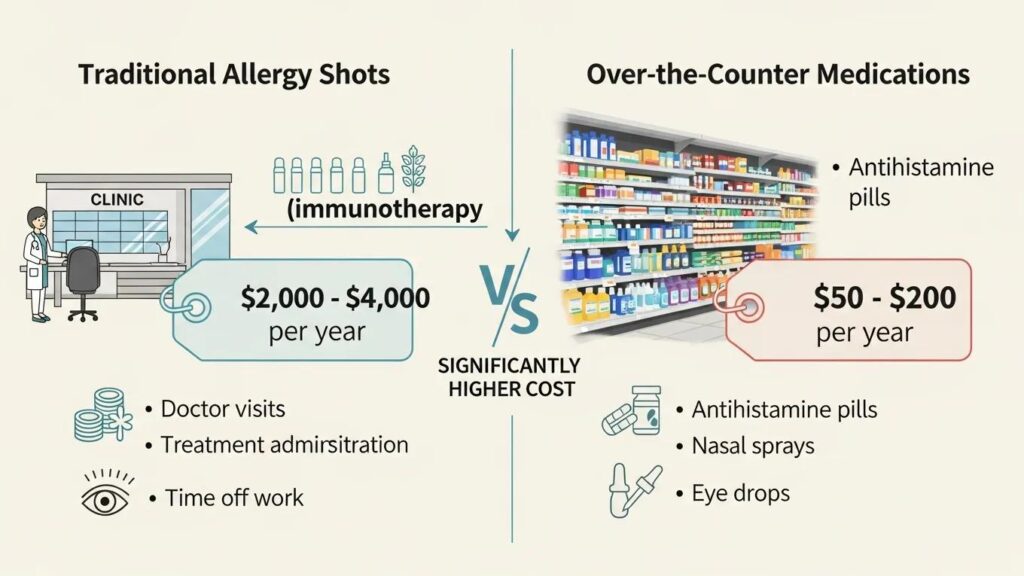
Cost comparisons depend on several factors. Traditional allergy shots can be costly because they require repeated visits to a provider. Affordable options such as over‑the‑counter medications or sublingual immunotherapy may be less expensive upfront, although their effectiveness can vary. Patients should weigh costs against expected benefits to identify the best value for their care.
Further research underscores the need to evaluate cost‑effectiveness and affordability across immunotherapy approaches.
Immunotherapy Cost-Effectiveness & Affordability
Immunotherapy must be both effective and affordable. Although immunotherapy demonstrates clinical benefit, comparative studies of subcutaneous immunotherapy and sublingual immunotherapy in patients remain necessary.
Cost-effectiveness analysis of immunotherapy in patient with allergic rhinitis, 2021
What Factors Influence the Price of Allergy Shots and Immunotherapy?
Pricing is influenced by provider fees, the selected treatment plan, and the frequency of visits. The chosen immunotherapy modality also affects cost: clinic‑administered allergy shots often incur higher expenses due to professional administration, while lower‑cost options may have smaller initial costs but require ongoing medication purchases.
Studies have examined cost‑effectiveness and adherence for subcutaneous versus sublingual immunotherapy.
SCIT vs. SLIT: Immunotherapy Cost-Effectiveness
Data on cost‑effectiveness for subcutaneous immunotherapy (SCIT) and sublingual immunotherapy (SLIT) are limited, but existing studies have begun to compare adherence and economic outcomes.
Adherence and cost-effectiveness of subcutaneous immunotherapy and sublingual immunotherapy, DV Wallace, 2020
Are There Insurance Coverage Differences for Affordable Versus Traditional Options?
Insurance coverage varies between treatment types. Many plans cover traditional allergy shots, while coverage for over‑the‑counter medications or alternative therapies may be limited. Patients should verify their benefits to understand which treatments are covered and any potential out‑of‑pocket costs.
What Are the Benefits and Risks of Allergy Shot Alternatives and Immunotherapy Treatments?
Alternatives and immunotherapy present distinct benefits and risks. Sublingual immunotherapy can offer convenience and ease of use, but it may not be equally effective for every patient. Reviewing potential side effects and expected efficacy with a healthcare provider is essential to make an informed choice.
How Effective Are Affordable Immunotherapy Options in Reducing Allergy Symptoms?
Affordable immunotherapy can reduce symptoms for many patients. Research indicates that sublingual immunotherapy may lead to notable improvements in symptom control for those with specific sensitivities. Individual responses and allergy severity vary, so patients should consult healthcare professionals to determine the most appropriate approach.
Comparative analyses frequently report similar efficacy and safety between different immunotherapy methods, with some options offering advantages in accessibility and cost.
SCIT vs. SLIT: Efficacy, Safety & Affordability
Subcutaneous immunotherapy (SCIT) and sublingual immunotherapy (SLIT) for allergic rhinitis show comparable safety and effectiveness, with SLIT potentially offering greater affordability and reduced need for clinic administration.
Efficacy and Safety of Subcutaneous vs. Sublingual Immunotherapy in Allergic Rhinitis: A Systematic Review and Meta‐Analysis., S Moitra, 2025
What Side Effects Should Patients Expect from Different Allergy Treatments?
Patients should be aware of potential side effects. Allergy shots can cause localized reactions such as swelling or redness at the injection site. Over‑the‑counter medications may cause drowsiness or gastrointestinal discomfort. Discussing these risks with a healthcare provider ensures patients are informed about their treatment choices.
How Is Personalized Allergy Care Delivered for Children and Adults?

Personalized allergy care is central to effective management for both children and adults. Tailored treatment plans consider individual sensitivities, lifestyle factors, and specific health needs to ensure patients receive appropriate care. This individualized approach can improve outcomes and enhance quality of life.
Why Is Individualized Treatment Planning Essential for Allergy Management?
Individualized treatment planning allows clinicians to address each patient’s unique needs. By considering age, medical history, and specific allergens, providers develop targeted strategies to optimize symptom control and minimise side effects. Personalized plans also strengthen the patient‑provider relationship and improve satisfaction with care.
How Do Pediatric and Adult Allergy Care Differ in Treatment Approaches?
Pediatric and adult allergy care differ due to variations in physiology and symptom presentation. Children may require different dosages or formulations, while adults often benefit from broader plans that address multiple allergies. Recognising these differences is essential to deliver age‑appropriate care.
What Preventive Strategies Support Long-Term Allergy Management?
Preventive strategies are key to long‑term allergy management. Reducing exposure to allergens and adopting effective measures can lower symptom severity and improve overall control, supporting a better quality of life.
How Can Allergy Testing Inform Preventive Care Plans?
Allergy testing identifies triggers that exacerbate symptoms and informs preventive care plans. With this information, patients can implement environmental or lifestyle modifications to reduce exposure. Allergy Associates of Dearborn emphasises testing to develop effective, tailored preventive strategies for each patient’s sensitivities.
What Lifestyle Adjustments Complement Immunotherapy Treatments?
Lifestyle adjustments can complement immunotherapy and enhance treatment effectiveness. Measures such as maintaining a clean home, using air purifiers, and avoiding known allergens reduce exposure and support better outcomes. Educating patients about these adjustments is important to maximise the benefits of their care.
Where Can Patients Find Trusted Allergy Immunotherapy Treatments and Support?
When seeking immunotherapy treatments and support, patients should select reputable providers who offer comprehensive services and personalized care tailored to their needs.
How Does Allergy Associates of Dearborn Provide Expert Care Led by Dr. Roula Daher?
Allergy Associates of Dearborn, led by Dr. Roula Daher, provides expert allergy and immunology care for children and adults. The practice delivers personalized, evidence‑based treatments for allergies, asthma, eczema, food allergies, and immune disorders. Patients receive comprehensive evaluations, tailored treatment plans, and ongoing support to manage allergy‑related conditions effectively.
What Resources Are Available for Common Allergy Questions and Patient Testimonials?
Patients can access educational materials, FAQs, and patient testimonials to learn about allergy care and the experiences of others. These resources aid informed decision‑making. Allergy Associates of Dearborn is committed to providing reliable medical information and support to empower patients in their allergy management.
Frequently Asked Questions
What are the most common types of allergies treated with immunotherapy?
The most common types of allergies treated with immunotherapy include allergic rhinitis (hay fever), allergic asthma, and insect sting allergies. Immunotherapy can also be used for certain food allergies, such as peanuts or tree nuts, although this application is less common. By gradually desensitizing the immune system to specific allergens, immunotherapy aims to reduce reaction severity and improve overall quality of life for patients.
How long does it typically take to see results from immunotherapy?
Some patients notice symptom improvement within a few months of starting immunotherapy, but full benefits often take longer. For subcutaneous immunotherapy (allergy shots), optimal results typically occur after 6 to 12 months. Sublingual immunotherapy may show effects sooner, though individual responses vary. Consistent treatment is essential to achieve the best outcomes.
Can immunotherapy be used alongside other allergy treatments?
Yes. Immunotherapy is frequently used alongside other treatments such as antihistamines or nasal corticosteroids. Combining therapies can improve symptom control, particularly during the initial phases of immunotherapy. Patients should consult their healthcare provider to ensure the combination is safe and appropriate for their situation.
What should patients expect during their first immunotherapy appointment?
The first immunotherapy appointment includes a thorough evaluation, review of medical history, and allergy testing results. The healthcare provider will explain the recommended treatment type and schedule. Patients may receive an initial dose—especially for allergy shots—and will be monitored for any immediate reactions.
Are there any lifestyle changes recommended while undergoing immunotherapy?
Yes. Patients undergoing immunotherapy are often advised to avoid known allergens, maintain a clean living environment, and use air purifiers. Staying hydrated and following a balanced diet supports overall health during treatment. Discussing specific recommendations with a healthcare provider helps tailor these adjustments to individual needs.
How can patients track their progress during immunotherapy?
Patients can track progress by keeping a symptom diary that records changes in frequency and severity. Regular follow‑up appointments allow providers to assess effectiveness and adjust treatment as needed. Reporting side effects or concerns during visits ensures optimal management of allergies.
Conclusion
Understanding the differences between affordable and traditional allergy treatments enables patients to make informed choices about their care. By considering personalized immunotherapy alongside cost‑effective alternatives, individuals can identify solutions that best meet their needs. Prioritising tailored treatment plans enhances symptom management and overall quality of life. Learn more about our comprehensive allergy services and take the first step toward effective management today.